A fine Oriental rug can hold years of soil without looking dramatically dirty. Grit settles beneath the pile, pet accidents travel into the foundation, and everyday foot traffic dulls color one step at a time. So, how do professionals clean oriental rugs without putting delicate wool, silk, dyes, fringe, or structure at risk? The answer is not a single cleaning method. It is a carefully controlled process shaped by the rug in front of them.
For handmade, antique, and sentimental rugs, cleaning is as much about preservation as appearance. A qualified fine-rug cleaner identifies what the rug is made of, how it was constructed, and what has affected it before choosing the appropriate treatment.
Why Oriental rugs require a different cleaning process
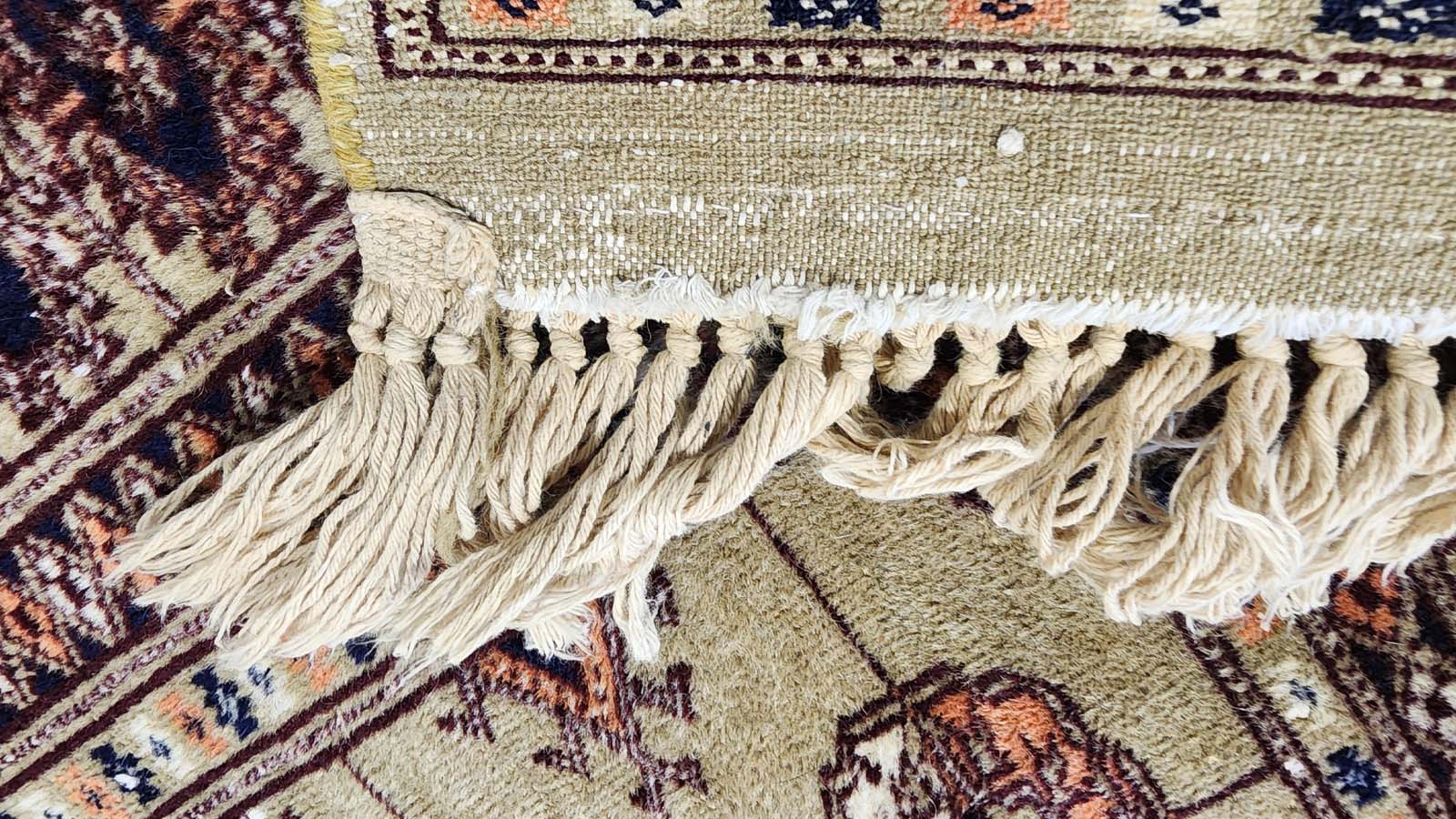
Oriental rugs are not wall-to-wall carpet cut to room size. Many are hand-knotted or handwoven textiles made with wool, cotton, silk, or a blend of fibers. Their colors may come from dyes that respond differently to moisture, cleaning solutions, heat, and changes in pH. Their fringe is often part of the rug’s foundation, not a decorative attachment that can be treated roughly.
That construction changes the cleaning decision. A rug with stable synthetic dyes may tolerate a more thorough wash than an antique piece with fugitive colors. A dense wool pile can hold an extraordinary amount of dry soil, while silk requires gentler moisture control and handling. Even two rugs that look similar from across the room may need very different care.
This is why a professional should never begin by assuming that a familiar carpet-cleaning method will be safe. Steam cleaning, harsh spot removers, excessive scrubbing, and prolonged wetness can cause color bleed, browning, distortion, pile damage, or weakened foundation fibers.
How do professionals clean Oriental rugs? It starts with inspection
Before washing begins, a trained technician examines both sides of the rug. This inspection helps determine fiber type, weave, dye stability, pile condition, previous repairs, fringe condition, odors, stains, and signs of moth activity or dry rot.
The cleaner also looks for areas where the foundation is exposed, where colors may be unstable, or where old spills have stiffened the fibers. Some stains respond well to treatment. Others, especially dye-based stains, bleaching, or long-set discoloration, may be permanent. A preservation-minded professional sets realistic expectations rather than promising that every mark will disappear.
Color testing is particularly important. Small, inconspicuous areas may be tested to see whether dyes release when exposed to the intended cleaning solution and moisture. If a dye is unstable, the cleaning approach must be adjusted. The goal is to remove soil and contaminants while keeping the rug’s original character intact.
Dry soil removal comes before washing
The most damaging material in many rugs is not a visible stain. It is dry particulate soil. Sand, dust, and tracked-in grit work their way down through the pile and settle near the foundation. Over time, those particles act like sandpaper as people walk across the rug, wearing fibers from within.
Professional cleaning begins with deliberate dusting and controlled vacuuming. Depending on the rug’s construction and condition, this may involve specialized equipment that loosens embedded soil without aggressively pulling at fibers or fringe. The rug is treated on both sides because debris often migrates through the weave.
This step is one reason surface-only cleaning does not provide the same result. Applying moisture before removing dry grit can turn loose soil into mud, making complete rinsing more difficult and placing more stress on the textile.
Stain and odor treatment is tailored to the problem
Once the dry soil has been removed, the cleaner evaluates stains and odors more closely. Food spills, wine, coffee, pet urine, and oily residues each behave differently. The fiber beneath the stain matters just as much as the stain itself.
For example, pet urine may penetrate through the pile into the backing and foundation. Treating only the top surface may reduce the smell briefly but leave odor-causing residue behind. A proper treatment may require flushing contaminants from the full depth of the rug, neutralizing the affected area, and carefully rinsing it afterward.
Protein stains, tannin stains, and oily spots may call for different products and dwell times. The safest treatment is not necessarily the strongest one. On a valuable rug, a skilled cleaner balances stain-removal potential against the risk of affecting dyes, natural fibers, or the surrounding pile.
Controlled washing removes soil from the full rug
After testing and preparation, many washable Oriental rugs receive a full immersion or low-moisture wash appropriate to their fibers and dye stability. The process generally uses controlled water temperature, carefully selected cleaning agents, and gentle agitation to release embedded grime.
Wool rugs often benefit from thorough but measured washing because wool naturally holds soil and oils. Yet wool also requires proper rinsing and drying to avoid residue, odor, and texture changes. Silk rugs and fragile antiques may require a more conservative process with less agitation and far more attention to moisture exposure.
The purpose of washing is not to make the rug look artificially bright. It is to remove contaminants that obscure color and weigh down the pile while respecting the natural variation and patina of the textile. An antique rug should return clean and refreshed, not stripped of the qualities that make it distinctive.
Rinsing matters as much as washing
Cleaning solution and loosened soil must be removed thoroughly. Residue left in a rug can attract new dirt, affect how the pile feels, and contribute to re-soiling. Professional rinsing is designed to carry away suspended contaminants without overwetting or stressing the foundation.
Water extraction follows, using methods suited to the rug’s construction. The objective is to remove as much moisture as possible before drying. This is especially significant for cotton foundations, which can be vulnerable to browning, distortion, or mildew if they remain damp too long.
A rug should never be returned while it is merely surface-dry. The pile may feel dry while moisture remains in the backing or foundation. Proper cleaning facilities use airflow, temperature control, and positioning to dry the rug evenly and completely.
Drying and finishing protect the rug’s shape and feel
Drying is not an afterthought. It is part of the preservation process. A rug may be groomed so the pile lies correctly, and it is monitored for color migration, texture changes, or rippling as it dries. If needed, professionals can address issues before they become more difficult to correct.
Once fully dry, the rug receives a final inspection. The cleaner checks for remaining spots, odor, pile condition, fringe appearance, and overall presentation. Minor finishing work may include grooming, fringe care, or attention to edges and corners. If the inspection reveals a repair need, such as loose binding or weakened fringe, that concern should be communicated clearly rather than concealed.
What homeowners should avoid between professional cleanings
Prompt action after a spill can make a meaningful difference. Blot liquids with a clean white towel, working from the outer edge toward the center. Avoid rubbing, which can spread the stain and distort fibers. Do not use household spot cleaners unless you know they are safe for that rug’s fibers and dyes.
Be cautious with rental machines and do-it-yourself shampooing. They can leave excess water and detergent behind, and their aggressive action is not designed for fine woven rugs. Avoid hanging a wet rug over a railing or leaving it outdoors to dry, as uneven drying and sun exposure can create new problems.
Regular gentle vacuuming helps limit dry soil, but skip the beater bar when possible and take special care near fringe. Rotating the rug occasionally can also reduce uneven wear in high-traffic areas.
When a rug needs professional attention
A visible stain is not the only reason to arrange cleaning. Dull color, a gritty feel, recurring pet odor, increased shedding, or a rug that no longer lies flat can all justify an evaluation. For homes with pets, children, active entertaining, or heavy foot traffic, cleaning may be needed more often than for a rug in a quiet formal room.
The right interval depends on use, fiber, location, and condition. A fine-rug specialist can help determine whether the concern is ordinary soil, an odor source, a cleaning need, or a repair issue that should be addressed first.
A well-made Oriental rug was created to be used and enjoyed. With patient, material-appropriate care, its color, texture, and craftsmanship can remain a valued part of the home for many years.