A fine rug can appear clean long after it has begun holding damaging soil deep in its foundation. The surface may still show its pattern and color, yet grit, pet residue, cooking oils, and tracked-in contaminants can settle below the pile, where they abrade fibers every time the rug is walked on. Fine rug cleaning is designed to address that hidden buildup without treating a handmade or delicate rug like ordinary wall-to-wall carpet.
For a Persian, Oriental, antique, wool, or silk rug, the goal is not simply to make the surface look brighter. Proper care protects the materials, construction, dyes, fringe, and character that make the rug worth keeping. That requires judgment at every stage, from identifying the fiber and testing color stability to choosing a cleaning method that suits the rug’s condition.
Why Fine Rug Cleaning Is Different
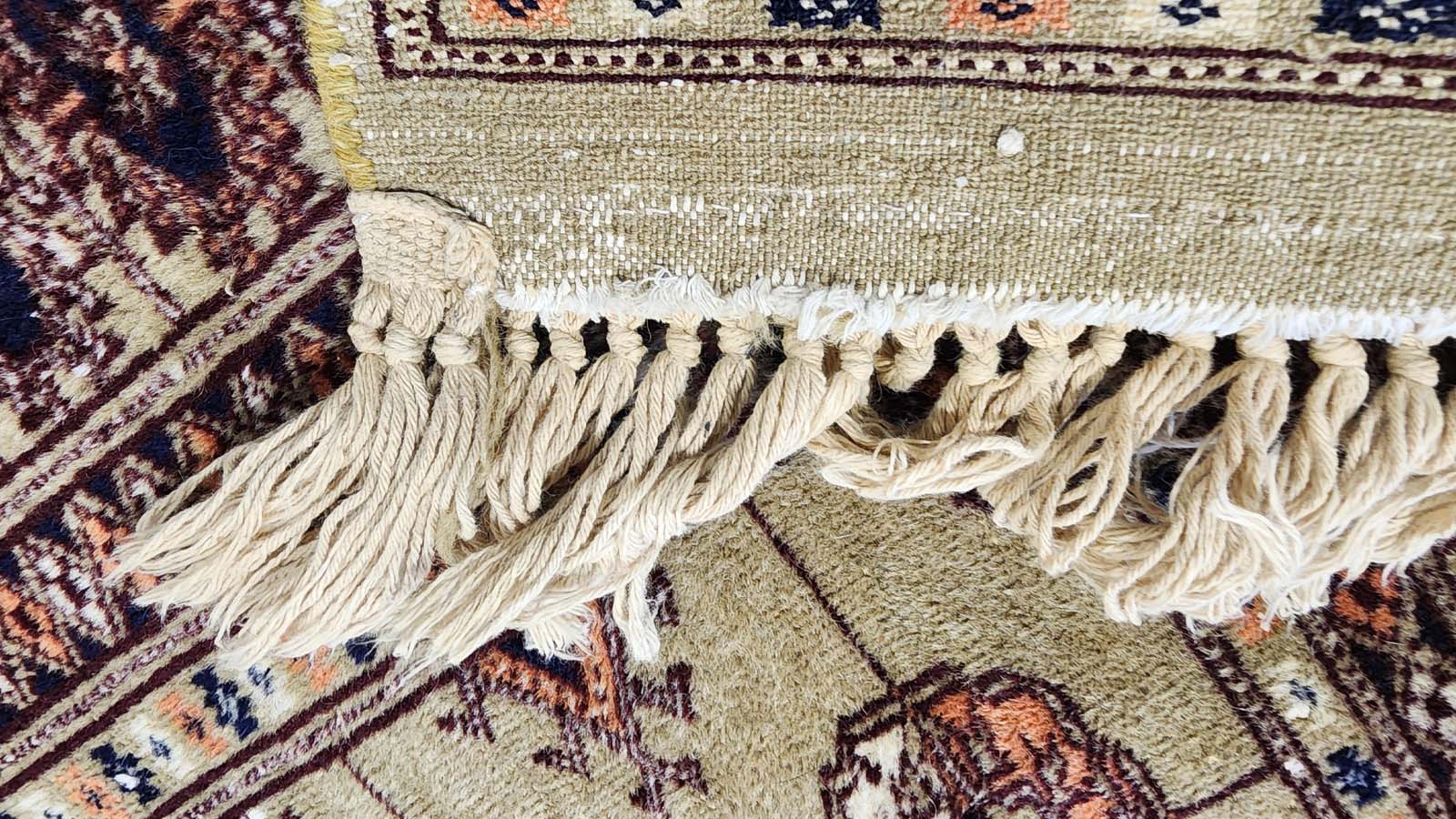
A fine rug is a textile furnishing with its own structure. Many handmade rugs are built from individual knots tied around foundation yarns, then secured with carefully finished edges and fringe. Others contain natural wool, cotton, silk, or combinations of fibers that react differently to moisture, heat, agitation, and cleaning solutions.
General carpet cleaning is usually designed for broadloom carpeting installed over padding. That process may rely on fast extraction, strong chemicals, or substantial agitation. Those methods can be useful for certain carpets, but they are not automatically appropriate for a hand-knotted rug, a delicate silk piece, or an older rug with fragile areas.
The risks are practical rather than theoretical. Excessive moisture can contribute to browning, dye migration, mildew odor, or distortion. Harsh products may leave fibers dry or dull. Aggressive brushing can damage pile, pull fringe, or weaken worn areas. A rug with unstable dyes may bleed if it is cleaned without careful testing and control.
This does not mean every fine rug requires the same treatment. A newer wool rug with stable dyes may tolerate a more thorough wash process than an antique textile with weakened foundation fibers. A rug that has been exposed to pet urine needs a different approach than one affected primarily by dry soil. The right method depends on the rug, the contamination, and its present condition.
What a Careful Cleaning Process Should Address
Professional fine rug cleaning begins before water or cleaning solution touches the rug. A knowledgeable evaluation considers the rug’s fiber content, construction, age, color behavior, pile condition, fringe, prior repairs, stains, odors, and areas of wear. This inspection helps establish a safe plan and identifies concerns that should be handled conservatively.
Soil removal comes before washing
Dry soil is one of the most common threats to a rug’s lifespan. Fine particles work down into the pile and foundation, where they act like sandpaper under foot traffic. Vacuuming at home helps with loose surface debris, but it may not remove compacted soil from a dense handmade construction.
A professional process should focus on removing embedded dry particulate matter before or alongside washing. This is especially important for wool rugs, which can hold a surprising amount of grit while still looking presentable. Removing that grit reduces abrasive wear and allows subsequent cleaning to work more effectively.
Fiber and dye protection guide the wash
Wool is naturally resilient, but it can be harmed by inappropriate alkaline products, rough handling, or poor rinsing. Silk requires even more caution. Its fine fibers can lose luster or suffer damage when exposed to unsuitable chemistry, excessive agitation, or uncontrolled moisture.
Dye testing is equally important. Hand-dyed yarns, older rugs, and certain richly colored pieces can react unpredictably if exposed to water and cleaning agents. A careful cleaner evaluates color stability and controls the process to reduce the risk of bleeding or color transfer. Preserving the rug’s original color relationships is often as important as removing a stain.
Stains and odors need separate attention
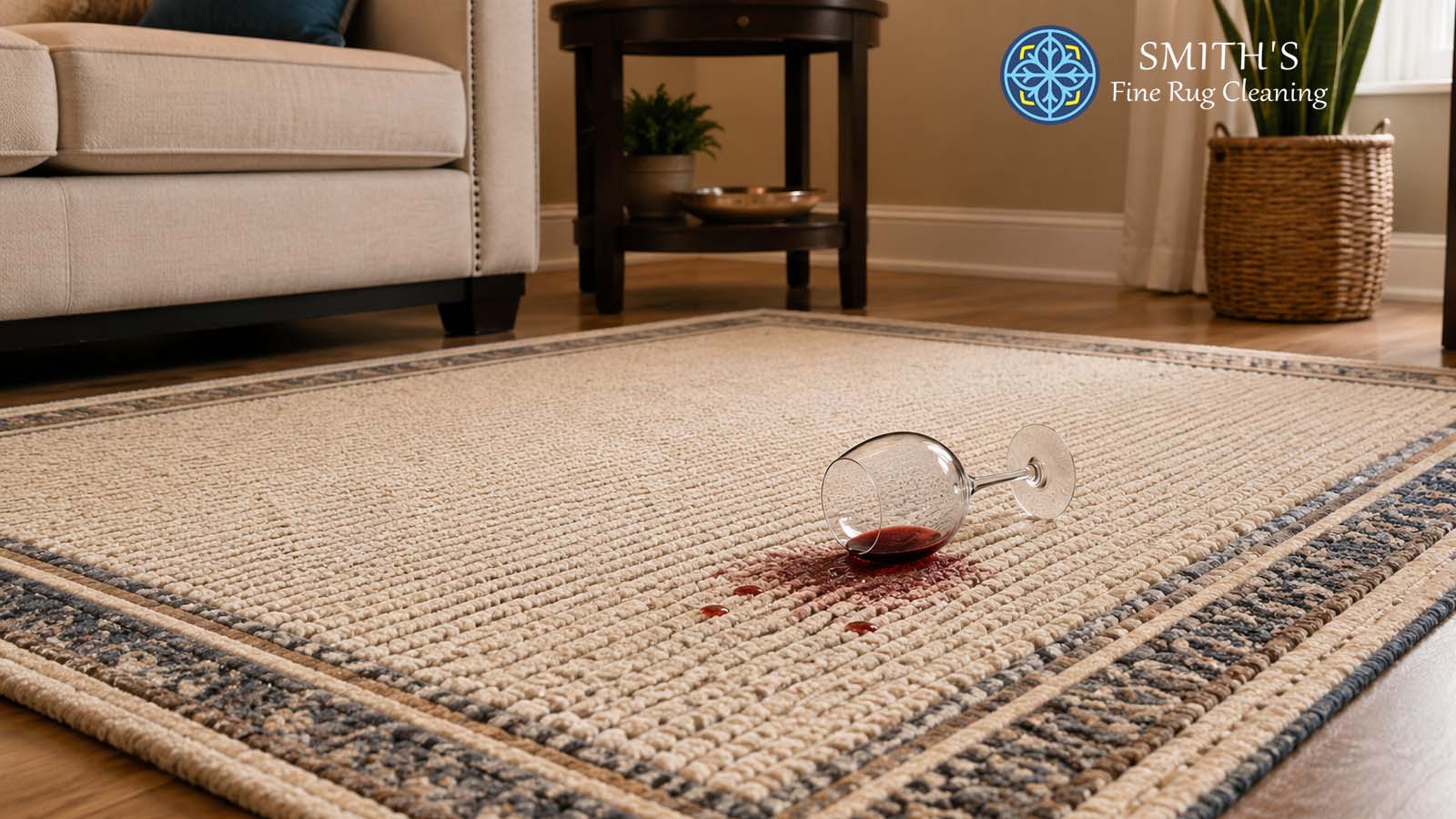
A visible spot is not always the full problem. Coffee, wine, food, and tracked-in dirt can leave residues that attract additional soil after a rug dries. Pet accidents can penetrate beyond the pile into the foundation, where odor-causing material remains even when the surface looks better.
Effective treatment addresses the source of the stain or odor, not only its appearance. Still, there are limits. Older stains may have permanently altered a fiber or dye, and previous attempts with store-bought spot removers can complicate correction. Responsible care means improving the rug as safely as possible rather than making unrealistic promises that could require damaging treatment.
Controlled drying protects the result
A rug should not remain wet longer than necessary. Proper drying is part of the cleaning process, not an afterthought. Prompt, controlled drying helps prevent odor, dye concerns, and changes in texture, while allowing the pile to finish in a clean, natural condition.
After cleaning, a final inspection should confirm that the rug is clean, properly dried, and ready to return to use. This is also the time to note any pre-existing wear, repairs, or areas that may benefit from future restoration or gentler placement in the home.
When a Rug Needs Professional Attention
Most fine rugs benefit from periodic professional cleaning, but the ideal schedule depends on their environment. A rug in a formal room with light foot traffic may need service less often than one in a busy family room, entryway, or dining area. Homes with pets, children, open windows, fireplaces, or frequent entertaining tend to introduce more soil and odor.
Rather than relying only on the calendar, watch for changes in the rug itself. Dullness, a stiff or gritty feel, darkened traffic paths, lingering pet odor, sticky spots, and fringe that looks gray or matted can all indicate accumulated contamination. If a spill occurs, prompt professional guidance is particularly valuable for silk, antique, or richly colored handmade rugs.
At home, regular gentle vacuuming can extend the time between professional cleanings. Avoid vacuuming fringe with a beater bar, and do not pull loose ends or fringe strands. Rotate the rug periodically to distribute wear and use a quality rug pad to reduce slipping and cushion the foundation. These habits support preservation, but they do not replace deep cleaning when soil has settled into the rug.
Why DIY Cleaning Can Create Lasting Problems
Rental machines, household shampoos, and internet stain remedies are tempting because they offer an immediate response. The difficulty is that they do not account for the rug’s specific dyes, fibers, age, or construction. Too much soap can leave a residue that draws dirt. Too much water can drive contamination deeper or create drying problems. Heat and vigorous scrubbing can alter texture or damage delicate pile.
Even a product labeled for wool should be approached carefully. A wool rug is not a single category of material and condition. Hand-spun wool, old wool, wool combined with silk, and wool with unstable dyes may each require different handling. When the rug is valuable, sentimental, or difficult to replace, the lowest-risk choice is usually an informed assessment before attempting treatment.
Smith’s Fine Rug Cleaning approaches each piece as a crafted textile rather than a routine carpet-cleaning job. That distinction matters because preservation is built from small decisions: how the rug is inspected, how soil is removed, how dyes are protected, how stains are treated, and how the rug is dried and finished.
A well-cared-for rug should continue to feel like part of the home, not a fragile object that cannot be used. With thoughtful maintenance and material-appropriate professional care, its color, texture, and workmanship can remain present for the everyday moments that give an heirloom its next chapter.